
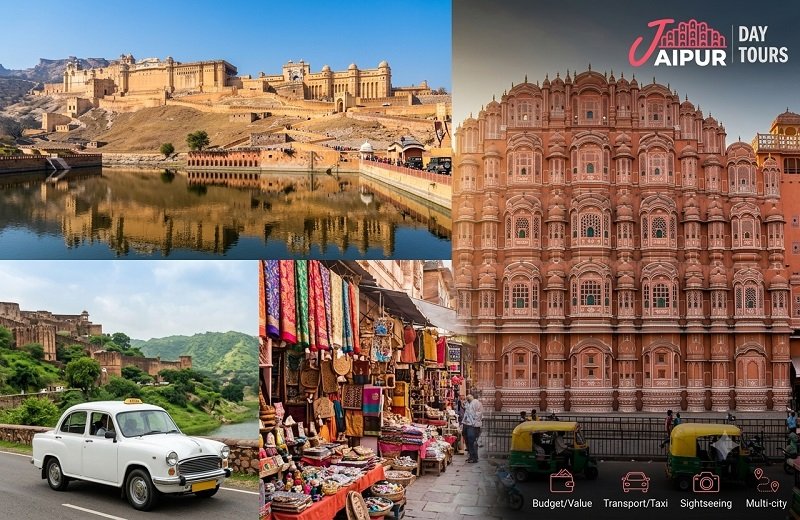
Planning a trip to the Pink City requires careful thought about timing, weather, and costs. Travelers often look for periods when expenses stay manageable while still allowing comfortable exploration of forts, palaces, and markets. Understanding seasonal patterns helps visitors maximize value without compromising on experience. Academic studies on tourism seasonality in Rajasthan highlight how temperature, rainfall, and visitor volume directly influence accommodation rates and transport availability. Selecting the right window supports a smoother and more economical journey through this historic destination.
Ideal Seasons Supporting Jaipur Budget Tour Experiences
October through March stands out as the most favorable period for visitors seeking comfortable conditions. Daytime temperatures range between 15°C and 30°C, making outdoor activities pleasant. Winter months bring clear skies and lower humidity, ideal for walking around Amber Fort or exploring City Palace. During these months, hotels and guesthouses often maintain competitive rates outside peak festival dates. Early December and late February can offer particularly good value as demand softens slightly after major holiday rushes. Travel experts note that avoiding the absolute peak of Christmas and New Year weeks further reduces costs for stays and local services. A well-timed Jaipur Budget Tour during shoulder periods within this window allows travelers to enjoy major attractions while keeping overall spending in check. Monsoon months from July to September bring rain that can disrupt plans, though some find the greener landscapes appealing at lower prices. Summer heat from April to June often exceeds 40°C, which many prefer to avoid for outdoor sightseeing.
Flexible Options Through Jaipur Half Day Tour Arrangements
Shorter itineraries appeal to those with limited time or those combining Jaipur with other destinations. A focused morning or afternoon schedule can cover key highlights such as Hawa Mahal, Jantar Mantar, and a market visit without requiring a full day commitment. These formats suit travelers arriving by train or flight who wish to see essential sites efficiently. Local operators structure these outings around cooler morning hours in winter or early starts in transitional seasons. Choosing such an option reduces the need for extended accommodation stays. Research on urban tourism efficiency suggests that concentrated visits often deliver higher satisfaction per hour spent. Incorporating a Jaipur Half Day Tour into a broader schedule helps manage both time and expenses effectively while still providing meaningful cultural exposure.
Selecting Suitable Transport with Best Car Rental in Jaipur Services
Independent movement around the city and nearby areas benefits from reliable vehicle access. Self-drive or chauffeur-driven options give flexibility for visiting sites at a preferred pace. Modern fleets with air conditioning prove especially useful during warmer transitions into spring. Comparing daily rates and fuel policies helps identify value. Many providers offer packages that include tolls or parking assistance for popular spots. Academic analyses of transport economics in tourist cities emphasize that private vehicle use can lower per-person costs for groups of three or more compared with repeated taxi hires. Evaluating options for the Best Car Rental in Jaipur involves checking vehicle condition, insurance coverage, and driver familiarity with local routes when a chauffeur is preferred. Booking in advance during popular months secures better availability and pricing.
Convenient Exploration via Jaipur Sightseeing Taxi Tour Formats
Dedicated taxi-based circuits remain popular for first-time visitors. Drivers familiar with traffic patterns and entry points at major monuments streamline the day. Packages often cover multiple stops with waiting time included, allowing unhurried photography and short walks. This approach works well for couples or small families who prefer not to navigate public transport or parking. In cooler months, full-day circuits become more enjoyable as heat stress decreases. Studies on guided mobility in heritage cities indicate that structured taxi tours reduce decision fatigue and improve site sequencing. Opting for a Jaipur Sightseeing Taxi Tour provides a balance between convenience and cost control, particularly when shared among travelers. Clear communication about inclusions such as fuel and driver meals prevents unexpected additions to the final bill.
Planning Broader Routes with Golden Triangle Tour Itinerary Considerations
Many visitors combine Jaipur with Delhi and Agra as part of a classic circuit. Sequencing the cities efficiently affects both comfort and expenditure. A common pattern places Delhi first, followed by Agra, then Jaipur, or the reverse depending on arrival points. Allocating two nights in Jaipur within a larger plan allows time for major forts without rushing. Shoulder season timing across the circuit keeps hotel rates more reasonable in all three cities. Research on multi-destination tourism flows shows that balanced pacing prevents fatigue and supports better engagement with each location. Building a practical Golden Triangle Tour Itinerary requires attention to intercity travel times, preferably by road or train, and realistic daily site limits. Including buffer time for traffic or weather variations improves overall reliability of the schedule.
Connecting Experiences Through Jaipur to Taj Mahal Tour Possibilities
Day trips or overnight extensions from Jaipur toward Agra enable viewing of the iconic marble mausoleum. The road journey typically takes five to six hours one way, making an early start essential. Some travelers prefer an overnight stay in Agra to experience sunrise or sunset views at the site. Coordination of departure times with cooler weather months enhances comfort during the long drive. Transport choices range from private cars to shared vehicles depending on group size and budget. Tourism geography literature notes that linking secondary heritage cities with primary icons increases overall trip satisfaction when logistics remain manageable. Arranging a Jaipur to Taj Mahal Tour as an extension works best when aligned with the same favorable weather window used for the rest of the Rajasthan portion of the journey.
Practical Tips for Cost Management Across Seasons
Beyond choosing the right months, several everyday practices support economical travel. Booking accommodations slightly outside the absolute city center can lower nightly rates while remaining accessible by short taxi rides. Eating at established local eateries rather than hotel restaurants often provides authentic flavors at modest prices. Purchasing entry tickets online where available reduces waiting time and occasionally offers small discounts. Carrying reusable water bottles and light layers for temperature changes minimizes small daily purchases. Group travel for longer transfers spreads vehicle costs. Monitoring local festival calendars helps avoid inflated prices during major events such as Teej or Diwali. These adjustments, combined with seasonal awareness, contribute to a balanced and enjoyable visit.
Weather patterns in Rajasthan follow relatively predictable cycles, yet micro-variations occur each year. Checking recent forecasts closer to travel dates remains advisable. Comfortable footwear and sun protection retain importance even in cooler months because many sites involve extensive walking on stone surfaces. Respecting local customs at religious or royal sites enhances the quality of interactions. Travelers who prepare with realistic expectations about crowd levels and opening hours tend to report higher satisfaction.
Conclusion
The period from October to March offers the most reliable combination of pleasant weather and manageable costs for exploring Jaipur. Within this window, shorter focused outings, suitable transport choices, and thoughtful multi-city planning further support value. Aligning visits with these practical considerations allows travelers to experience the city’s architectural and cultural highlights without unnecessary strain on time or budget. Careful preparation based on seasonal knowledge and efficient routing leads to more rewarding journeys through this important heritage destination.
Frequently Asked Questions (FAQs)
Que. What months offer the most comfortable weather for visiting Jaipur on a limited budget?
Ans. October to March generally provides milder temperatures that make outdoor sightseeing more enjoyable while accommodation and transport rates remain relatively competitive outside peak holiday weeks.
Que. Can shorter itineraries still cover the main attractions effectively?
Ans. Yes, concentrated morning or afternoon schedules allow visits to several central monuments and markets within a limited timeframe when planned around opening hours and traffic patterns.
Que. How does private vehicle use affect overall trip expenses for small groups?
Ans. For three or more people, a rented car or hired taxi for the day often proves more economical than multiple individual rides, especially when covering sites spread across the city.
Que. Is it practical to include Agra in a trip centered on Jaipur?
Ans. Many travelers successfully combine the two cities with an early departure and either a long-day return or an overnight stay, provided the journey is scheduled during milder weather months.
Que. What simple steps help control daily costs during a stay in Jaipur?
Ans. Choosing mid-range lodging slightly away from the main tourist core, eating at local establishments, and booking popular site tickets in advance contribute to lower overall spending.
