
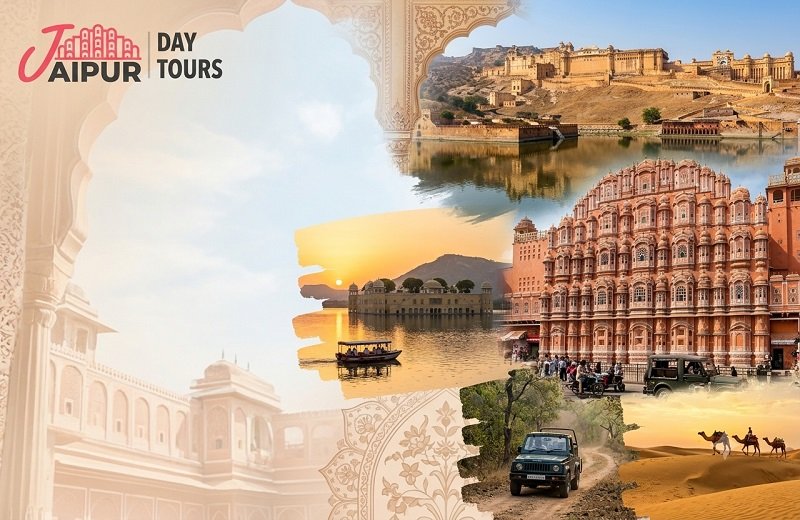
Jaipur stands as a major gateway to Rajasthan’s layered history, architecture, and landscapes. Travellers often seek structured ways to experience its forts, palaces, wildlife zones, and nearby spiritual or desert sites without unnecessary complexity. Understanding available options helps match time, interests, and practical constraints with realistic routes.
Exploring Best Jaipur Tour Packages for Heritage Lovers
Many visitors begin by examining Best Jaipur Tour Packages that focus on the city’s core monuments. These typically cover Amber Fort, City Palace, Hawa Mahal, Jantar Mantar, and Jal Mahal within one or two days. Such packages rely on private or shared vehicles and allow flexible pacing so that visitors can absorb the mix of Rajput and Mughal design elements. Local historians note that the pink sandstone facades and defensive planning of these sites reflect deliberate urban design choices from the 18th century onward. Choosing packages that allocate sufficient time at each location reduces rushed movement and supports clearer observation of architectural details.
Jaipur Sightseeing Tour by Car Options and Highlights
A Jaipur Sightseeing Tour by Car remains one of the most practical formats for covering the main attractions. Private cars or taxis provide door-to-door movement between sites that sit several kilometres apart. Drivers familiar with traffic patterns around the old city and Amber can adjust routes according to opening hours and crowd levels. Key stops usually include the hilltop Amber complex with its mirrored halls, the City Palace complex that still houses museum collections, and the exterior of Hawa Mahal. Short pauses at viewpoints overlooking the city or at smaller temples add balance. This format suits families and small groups who prefer controlled schedules over fixed coach departures.
Understanding Rajasthan Desert Tour Packages from Jaipur
Longer itineraries often incorporate Rajasthan Desert Tour Packages that extend westward toward Jaisalmer or related Thar regions. From Jaipur, these packages usually combine initial city sightseeing with multi-day road travel across arid plains. Camps near sand dunes offer evening cultural programmes featuring folk music and dance, while daytime segments may include camel rides or visits to living forts. Academic accounts of the Thar emphasise its role as both a natural barrier and a trade corridor, shaping settlement patterns and water management techniques still visible in traditional architecture. Packages of five to eight days allow travellers to experience both urban heritage and the open desert without excessive daily driving.
Planning Jaipur to Ranthambore Tour Experiences
Wildlife enthusiasts frequently select a Jaipur to Ranthambore Tour. The distance stands at approximately 180 kilometres and requires three to three and a half hours by road under normal conditions. Ranthambore National Park is known for its Bengal tiger population and varied terrain of lakes, hills, and dry forest. Most practical plans involve an overnight stay so that morning or afternoon safari slots can be used without extreme fatigue. Safari zones are allocated by the forest department, and entry follows fixed timings. Visitors also often include the historic Ranthambore Fort and the nearby Trinetra Ganesh temple. Overnight formats provide rest and better chances of observing animals near water sources, especially in warmer months when wildlife concentrates around remaining water bodies.
Details on Bhangarh Tour Package for History Enthusiasts
Those interested in lesser-visited historical sites can consider a Bhangarh Tour Package. Bhangarh Fort lies roughly 80 to 85 kilometres from Jaipur and takes about two hours by road. The fort complex contains ruined gates, temples, market lanes, and remnants of a palace set against the Aravalli hills. Popular local stories speak of curses and abandoned settlements, yet historical records place its construction in the early 17th century under Rajput rulers connected to Amber. The Archaeological Survey of India restricts entry after sunset, so all visits occur during daylight hours. A typical day plan starts early from Jaipur, allows two to three hours of walking through the ruins, and returns the same evening. Combining the visit with nearby stepwells or temples adds further historical context without extending the journey excessively.
Enjoying Pushkar Day Trip From Jaipur
A Pushkar Day Trip From Jaipur offers a manageable spiritual and cultural excursion. Pushkar lies about 140 to 145 kilometres away, requiring roughly three hours of driving via Ajmer. The town centres on the sacred lake with its surrounding ghats and the well-known Brahma Temple, one of the few major temples dedicated to that deity in India. Many itineraries also include a brief stop at Ajmer Sharif before or after the Pushkar visit. Evening aarti at the lake provides a quiet close to the day. Travellers should plan an early departure to allow unhurried time at the main sites and a return to Jaipur by late evening. Markets near the lake offer textiles, jewellery, and religious items typical of the region.
Key Factors When Selecting Tour Itineraries
Duration, season, and group size influence which combination of sites works best. Winter months from October to March generally provide comfortable temperatures for outdoor walking and longer drives. Summer heat restricts activity during midday hours, while the monsoon can affect road conditions and park openings at Ranthambore. Private car arrangements allow greater flexibility than fixed group coaches, especially when mixing city sightseeing with day trips. Checking current entry rules, safari booking procedures, and temple dress expectations helps avoid last-minute difficulties. Reliable operators supply clear vehicle details, driver information, and realistic time estimates rather than overly optimistic schedules.
Travellers who value depth over quantity often prefer two or three focused experiences rather than attempting every possible destination in a short stay. Combining a city car tour with one wildlife or spiritual day trip, for example, produces a coherent narrative of Rajasthan’s royal, natural, and religious layers. Longer desert circuits suit those with a week or more and an interest in landscape change across the state.
Conclusion
Selecting suitable itineraries begins with clear priorities—whether architectural detail, wildlife observation, spiritual atmosphere, or desert expanses. Accurate distances, realistic driving times, and awareness of site restrictions form the practical foundation. When these elements align with personal interests and available days, the resulting journey through Jaipur and its surrounding regions remains both manageable and informative.
Frequently Asked Questions (FAQs)
Que. What is the typical duration for covering main Jaipur monuments?
Ans. Most visitors allocate one full day or two half-days for the principal forts and palaces when travelling by private car. This allows time for photography, short walks, and rest without excessive fatigue.
Que. How far is Ranthambore from Jaipur and is a same-day return practical?
Ans. The road distance is around 180 kilometres and takes three to three and a half hours each way. A same-day return is possible but tiring; an overnight stay is generally more comfortable for safari participation.
Que. Can Bhangarh Fort be visited after dark?
Ans. Entry is restricted by the Archaeological Survey of India after sunset. All visits must occur during daylight hours for safety and regulatory reasons.
Que. What are the main attractions on a Pushkar day excursion?
Ans. Primary sites include the Brahma Temple, the lake and its ghats, and the local market. Many travellers also stop briefly at Ajmer on the same route.
Que. When is the preferred season for combining city and desert travel?
Ans. October to March offers milder temperatures suitable for both monument visits and open-air desert activities. Extreme summer heat and monsoon rains require adjusted planning.
