
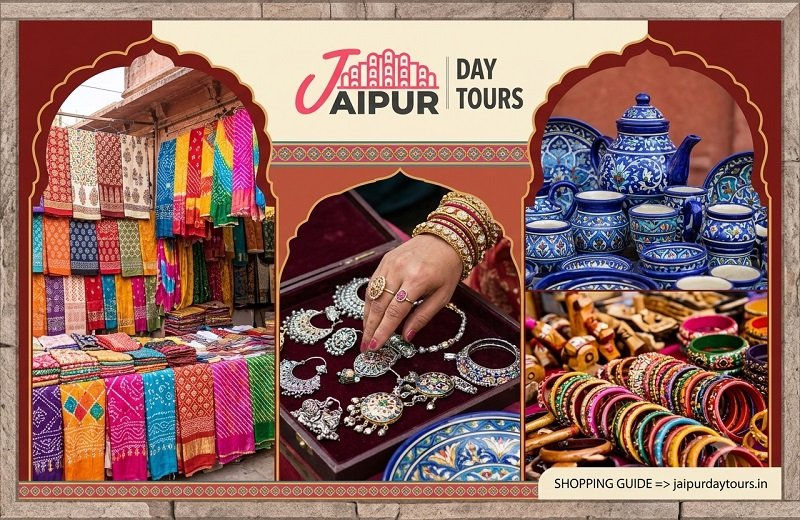
Jaipur stands as one of India’s most vibrant centres for traditional crafts and markets. Visitors often explore its bazaars for textiles, jewellery, pottery, and other handmade goods that reflect Rajasthan’s long artistic history. Understanding what to look for helps travellers make informed choices based on quality, origin, and cultural value. Academic studies on heritage economies note that well-informed purchases support local makers while giving buyers authentic items that last.
Jaipur Tour & Travels for Accessing Key Markets
Jaipur Tour & Travels services frequently include guided routes through major shopping areas such as Johari Bazaar, Bapu Bazaar, and Tripolia Bazaar. These organised movements allow visitors to cover several craft clusters in a single day without the stress of navigating unfamiliar streets alone. Research on urban tourism patterns shows that structured travel arrangements increase the time people spend examining products rather than searching for locations. As a result, shoppers can compare quality across different stalls and learn about the materials and techniques used by local artisans.
Many such itineraries highlight areas known for specific items. Textile lanes offer block-printed fabrics and bandhani work, while jewellery sections display silver and semi-precious stone pieces. Knowing the typical layout of these markets reduces the chance of hasty decisions and supports more thoughtful selection.
Luxury Car Rental in Jaipur for Comfortable Market Visits
Luxury Car Rental in Jaipur options provide a practical way to move between distant shopping zones with greater ease. Travellers carrying larger purchases or visiting multiple locations in one day often prefer private vehicles that offer space and flexibility. Studies on visitor mobility in heritage cities indicate that comfortable transport reduces fatigue and encourages longer, more careful browsing sessions. This arrangement also helps protect delicate items such as pottery or embroidered textiles during transit.
Private vehicles can be scheduled around market opening hours, which vary by area. Early morning visits to wholesale sections or late afternoon stops at specialised craft outlets become more manageable. The focus remains on reaching authentic sources rather than relying only on roadside vendors near major hotels.
Jaipur Tuk Tuk Tours Through Traditional Bazaars
Jaipur Tuk Tuk Tours give visitors a closer view of narrow lanes that larger vehicles cannot enter easily. These short rides are useful for exploring compact markets where textiles, lac bangles, and blue pottery are sold in dense clusters. Anthropological accounts of Rajasthan’s retail spaces observe that slower, street-level movement allows better observation of production processes visible in open workshops. Shoppers gain a clearer sense of how items are made before deciding what to buy.
Tuk-tuk routes often pass through areas specialising in specific crafts. One stretch may focus on hand-block printing while another centres on silver work or wooden handicrafts. This exposure helps buyers identify regional styles and avoid mass-produced imitations that sometimes appear in high-traffic tourist spots.
Golden Triangle Tour Connections to Jaipur Shopping
Golden Triangle Tour itineraries commonly include Jaipur as a key stop alongside Delhi and Agra. Within these multi-city plans, dedicated time for local markets allows travellers to purchase items that represent Rajasthan’s craft traditions. Cultural geography research highlights that such combined routes increase overall appreciation of regional differences in design and material use. Shoppers returning from Agra or Delhi often seek distinctive Jaipur pieces such as enamel jewellery or printed cottons that differ from products found elsewhere.
Time allocated for markets within broader tour schedules encourages focused buying rather than rushed decisions. Visitors can prioritise a few high-quality categories instead of attempting to cover every possible item in limited hours.
Rajasthan Tour Packages and Craft Exploration
Rajasthan Tour Packages frequently structure days around both monuments and craft centres. These packages help travellers understand the link between historical architecture and the decorative arts still practised today. Academic reviews of cultural tourism note that combined sightseeing and shopping experiences deepen knowledge of material heritage. Buyers learn why certain colours, patterns, or techniques appear repeatedly across different product types.
Packages that include visits to artisan workshops provide additional context. Observing block printing or jewellery setting in progress helps distinguish skilled work from machine-made alternatives. This knowledge supports more confident purchasing decisions based on visible quality markers.
Trip to Rajasthan Focused on Authentic Goods
Trip to Rajasthan planning often centres on identifying reliable sources for traditional items. Travellers who research markets in advance tend to return with pieces that hold both aesthetic and cultural value. Economic studies of craft sectors show that informed demand helps sustain specialised skills that might otherwise decline. Categories such as handloom textiles, metalware, and painted pottery remain viable when buyers recognise their distinctive features.
A well-planned trip allows time for comparison across several locations. Prices and quality can vary between fixed shops and open stalls, so multiple visits improve the chances of finding suitable items at fair rates.
Delhi Agra Jaipur Pushkar Tour Shopping Opportunities
Delhi Agra Jaipur Pushkar Tour routes create natural opportunities to collect complementary crafts from different parts of the region. Jaipur’s contribution often includes jewellery and printed fabrics that pair well with items from other stops. Heritage tourism literature suggests that multi-destination itineraries encourage selective rather than excessive buying. Travellers focus on pieces that represent each place distinctly.
In Jaipur segments of these tours, attention usually turns to blue pottery, enamel work, and embroidered textiles. These categories have strong local associations and remain widely available in established market zones.
Shekhawati Places to Visit Alongside Craft Markets
Shekhawati Places to Visit can be combined with shopping for regional specialties that differ from central Jaipur styles. Fresco traditions and local textile patterns from the Shekhawati area offer additional options for collectors interested in broader Rajasthani design. Regional studies of material culture point out that exposure to multiple craft zones within one state expands understanding of variation in technique and motif.
Travellers who include both Jaipur markets and nearby heritage towns often return with a more representative selection of the state’s artistic output. This approach supports a balanced view of Rajasthan’s diverse making traditions.
Recommended Categories for Thoughtful Purchases
Textiles remain among the most practical choices. Block-printed cottons, bandhani scarves, and handloom fabrics are lightweight and useful. Jewellery, particularly silver and enamel pieces, carries strong local identity. Blue pottery items serve both decorative and functional purposes when chosen carefully for quality of glaze and form. Wooden crafts and lac work add further variety for those seeking smaller souvenirs.
Quality indicators include even stitching, consistent colour, and clear signs of handwork. Asking about materials and production methods provides useful information without pressure. Academic guidance on responsible tourism purchasing emphasises patience and comparison over impulse decisions.
Practical Considerations for Market Visits
Markets operate on different schedules, and some areas become crowded during peak hours. Carrying smaller notes and confirming prices before finalising purchases reduces complications. Lightweight packaging helps when moving between locations. Keeping a simple list of intended categories prevents overspending on items that may not travel well or hold lasting interest.
Respect for local trading customs supports smoother interactions. Observing how regular customers engage with sellers offers practical cues. These habits align with findings from studies on cross-cultural retail encounters in heritage destinations.
Conclusion
Shopping in Jaipur rewards attention to traditional crafts, market layouts, and reliable ways of moving between them. Focusing on textiles, jewellery, pottery, and related handmade goods allows visitors to select items with clear cultural roots. Structured travel arrangements help reach authentic sources efficiently while leaving time for careful examination. Thoughtful choices based on quality and origin contribute to the continued practice of regional skills. Planning around established markets and recognised craft categories leads to purchases that remain meaningful long after the visit ends.
Frequently Asked Questions (FAQs)
Que. Which markets in Jaipur are most useful for traditional textiles?
Ans. Johari Bazaar, Bapu Bazaar, and nearby lanes specialise in block prints, bandhani, and handloom fabrics. Comparing several stalls helps identify consistent quality and fair pricing.
Que. How can visitors distinguish genuine blue pottery from imitations?
Ans. Authentic pieces show hand-painted details, a distinctive blue-and-white palette, and slight irregularities typical of studio work. Asking about the production process provides additional confirmation.
Que. Is it practical to combine monument visits with shopping in one day?
Ans. Yes, when transport is planned. Allocating specific time blocks for markets after or between heritage sites keeps the schedule balanced and reduces fatigue.
Que. What payment methods are commonly accepted in Jaipur craft markets?
Ans. Cash remains widely used, especially in smaller stalls. Larger fixed shops often accept digital payments, but confirming in advance avoids delays.
Que. How should travellers pack delicate items purchased in Jaipur?
Ans. Soft wrapping and sturdy outer protection work best for pottery and jewellery. Keeping fragile pieces in hand luggage during onward travel reduces the risk of damage.
