
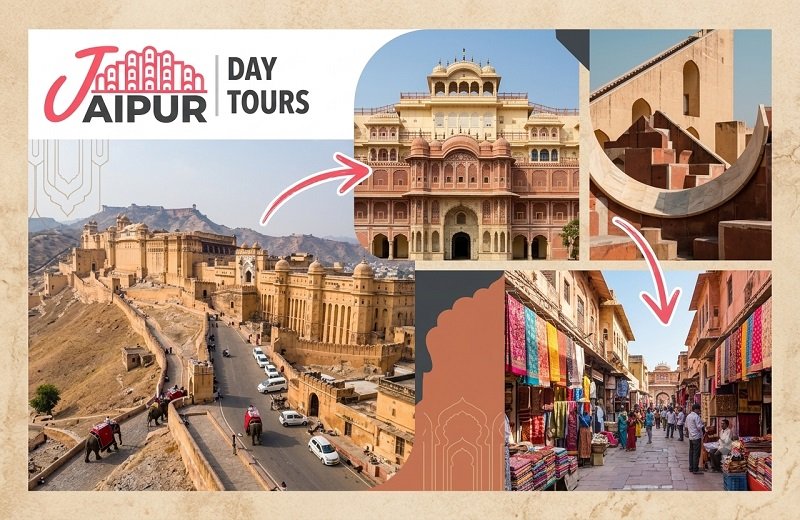
Jaipur stands as one of India’s most visited heritage cities. Its forts, palaces, markets, and planned urban layout attract travellers seeking both history and everyday cultural life. Tourism researchers and cultural geographers often examine how long visitors need to engage meaningfully with such layered destinations. Time allocation depends on interests, pace, and whether side journeys form part of the plan. A balanced approach allows space for major monuments, local neighbourhoods, and rest without rushing.
Jaipur Trip Package Planning for Core Exploration
Jaipur Trip Package arrangements commonly structure visits around two to three full days for the primary sites. Academic studies on heritage tourism note that this duration covers Amber Fort, City Palace, Jantar Mantar, and Hawa Mahal while leaving room for markets such as Johari Bazaar. On the first day, many travellers focus on the fort complex and surrounding hills. The second day often centres on the old city and its astronomical observatory. A third day supports slower walks through residential areas or additional museums. Research on visitor satisfaction in Rajasthan indicates that three days reduce fatigue and improve recall of architectural details compared with single-day rushes.
Shorter stays of one day remain possible but limit depth. Longer stays of four or five days open opportunities for nearby villages or craft workshops. Sustainable tourism experts emphasise matching duration to personal energy levels rather than fixed checklists.
Jaipur Sightseeing Package by Car for Flexible Movement
Jaipur Sightseeing Packages by car suit travellers who prefer private transport between scattered monuments. The city’s layout places Amber Fort several kilometres from the central palace complex, making road travel practical. Cultural tourism literature highlights that vehicle-based itineraries allow better time management in hot months and accommodate families or older visitors. A typical two-day circuit by car can include early morning fort visits to avoid crowds, midday palace exploration, and late-afternoon market stops.
Three days by car further enable short detours to sites such as Nahargarh Fort or Jal Mahal viewpoints. Studies of urban heritage routes show that private vehicles reduce walking strain and support flexible meal breaks. Visitors interested in photography or detailed observation benefit from the ability to adjust departure times according to light and weather.
Rajasthan Tour Packages for Family Considerations
Rajasthan Tour Packages for Family often allocate three to four days in Jaipur as a central segment. Family travel research points to the value of mixed activities that combine monuments with lighter experiences such as puppet shows, craft demonstrations, or garden visits. Younger children may prefer shorter monument stops interspersed with open spaces. Older family members often appreciate scheduled rest periods.
Four days allow one day focused on the Amber area, one on the walled city, one for markets and local food, and one for optional nearby sites. Academic reviews of multi-generational travel note that this pacing lowers stress and increases shared enjoyment. Families combining Jaipur with other Rajasthan locations typically treat the city as a base for both urban and short rural excursions.
Day Trip to Taj Mahal From Jaipur Feasibility
Day Trip to Taj Mahal From Jaipur journeys require careful timing. The road distance is roughly 240 kilometres, and travel time usually ranges from four to five hours each way depending on traffic and stops. Tourism geography analyses indicate that a pure day return leaves limited hours at Agra. Many visitors depart Jaipur before dawn, reach the Taj Mahal by mid-morning, spend three to four hours at the complex, and return late evening.
Experts on long-distance day travel advise assessing physical stamina and heat conditions. Some prefer an overnight stay in Agra to reduce fatigue. When a same-day return is chosen, prioritising the main mausoleum and its gardens over secondary Agra sites helps maintain focus. Research on visitor experience quality suggests that well-planned day trips remain viable for those with limited overall holiday time.
Rajasthan Tour Packages and Multi-City Context
Broader regional itineraries frequently position Jaipur as an early or central stop. Three days in the city fit comfortably within longer circuits that later move toward Jodhpur, Udaipur, or desert areas. Heritage tourism studies observe that allocating sufficient time in Jaipur improves overall trip satisfaction because the city introduces key architectural and cultural themes found across the state.
Visitors following such routes often use the first two days for major monuments and the third for markets or a short countryside drive. This structure supports gradual acclimatisation to the region’s climate and pace.
Trip to Rajasthan Duration Guidelines
A full circuit of major Rajasthan destinations commonly spans seven to twelve days. Within that frame, Jaipur consistently receives two to four days according to surveys of independent and organised travellers. Cultural anthropologists note that the city’s density of accessible monuments justifies this share of total time. Shorter overall trips of five or six days may compress Jaipur to two days, while extended journeys allow deeper neighbourhood exploration.
Pacing recommendations from tourism management literature stress avoiding consecutive long driving days. Placing Jaipur early in the sequence often works well because it offers strong infrastructure and a range of accommodation options.
Delhi Agra Jaipur Pushkar Tour Sequencing
Classic multi-city routes frequently link Delhi, Agra, Jaipur, and sometimes Pushkar. In these sequences, Jaipur usually receives two or three nights. Travel research on the Golden Triangle pattern shows that travellers who spend three days in Jaipur report higher engagement with local crafts and food than those limited to one night. Adding Pushkar after Jaipur creates a natural transition from urban heritage to a smaller pilgrimage and market town.
When the full sequence is planned, allocating the bulk of monument time to Jaipur and Agra while treating Delhi mainly as an arrival or departure point is a common practical choice. Road or rail connections between these points influence exact day counts.
Shekhawati Places to Visit as Optional Extension
North of Jaipur the Shekhawati region contains painted havelis and smaller towns that reward an extra day or two. Visitors with four or more days available in or near Jaipur sometimes add a day trip or overnight to Nawalgarh, Mandawa, or nearby villages. Architectural historians value these sites for their fresco traditions and merchant history. Including them expands understanding of Rajasthan beyond royal forts into trading-community heritage.
For most first-time visitors focused on Jaipur itself, Shekhawati remains an optional extension rather than a core requirement. Those with strong interest in mural art or quieter towns find the additional time worthwhile.
Factors Influencing Ideal Length of Stay
Climate plays a significant role. Summer heat encourages early starts and midday breaks, which can stretch a two-day plan into three. Winter months support longer outdoor walking. Personal interests also matter. Architecture enthusiasts may linger at Jantar Mantar or the City Palace museums, while market-focused visitors allocate more hours to textile and jewellery streets.
Accessibility needs and group size further shape decisions. Private transport increases daily coverage compared with public options. Academic analyses of tourist behaviour in Indian heritage cities consistently recommend building one flexible half-day into any plan to accommodate unexpected discoveries or rest.
Practical Daily Structure Examples
A sample two-day outline might place Amber Fort and Jaigarh on day one, followed by City Palace, Jantar Mantar, and Hawa Mahal on day two, with evening market time. A three-day version inserts a morning at Nahargarh or a craft workshop and spreads market visits more evenly. Four days can incorporate a countryside excursion or a relaxed museum morning.
These structures remain adaptable. Tourism planning literature stresses that rigid hour-by-hour schedules often reduce enjoyment. Leaving brief unscheduled windows improves the overall experience.
Conclusion
Determining how many days are enough to explore Jaipur depends on the depth of engagement desired and any additional destinations in the wider itinerary. Two days cover the principal monuments at a reasonable pace. Three days allow fuller appreciation of both major sites and everyday city life. Four or more days support side journeys and slower observation. Matching duration to personal interests, physical comfort, and transport choices produces a more coherent and memorable visit. Careful planning that respects both the density of heritage and the need for rest yields the most balanced outcome.
Frequently Asked Questions (FAQs)
Que. How many days are generally recommended for first-time visitors to Jaipur?
Ans. Most heritage tourism studies and visitor surveys suggest two to three full days for the main forts, palaces, and markets. This duration balances coverage with time to absorb architectural and cultural details.
Que. Is one day sufficient to see the important sites?
Ans. One day can include Amber Fort, City Palace, and Hawa Mahal with efficient transport, yet it leaves little margin for markets, rest, or unexpected delays. Deeper engagement usually benefits from additional time.
Que. Does adding a day trip to Agra change the recommended stay in Jaipur?
Ans. A same-day Agra visit consumes an entire day and involves long road hours. Travellers often keep two separate days for Jaipur itself and treat the Agra journey as an extra full day in the overall plan.
Que. How should families with children plan their days in Jaipur?
Ans. Families frequently find three to four days workable. Shorter monument visits mixed with open spaces, craft activities, and rest periods help maintain energy levels across age groups.
Que. What is a practical way to include nearby regions without rushing Jaipur?
Ans. Allocating three solid days to Jaipur first, then adding one or two days for Shekhawati or other nearby areas, preserves focus on the city while allowing optional extensions for those with extra time.
